🌐 EN ▾
Water Damage Biohazard Cleanup in Cincinnati, OH
Licensed Cincinnati water damage biohazard cleanup pros for repairs, installs and upgrades — upfront pricing, fast scheduling, one accountable team.
Why choose Cincinnati Biohazard Cleanup?+
What biohazard cleanup services do you offer in Cincinnati?+
Are the biohazard cleanup pros licensed and insured in Ohio?+
How fast can you respond in Cincinnati?+
Who do I call for a biohazard cleanup emergency in Cincinnati?+
How can I verify a biohazard cleanup company in Cincinnati is licensed and legitimate?+
Water Damage Biohazard Cleanup in Cincinnati
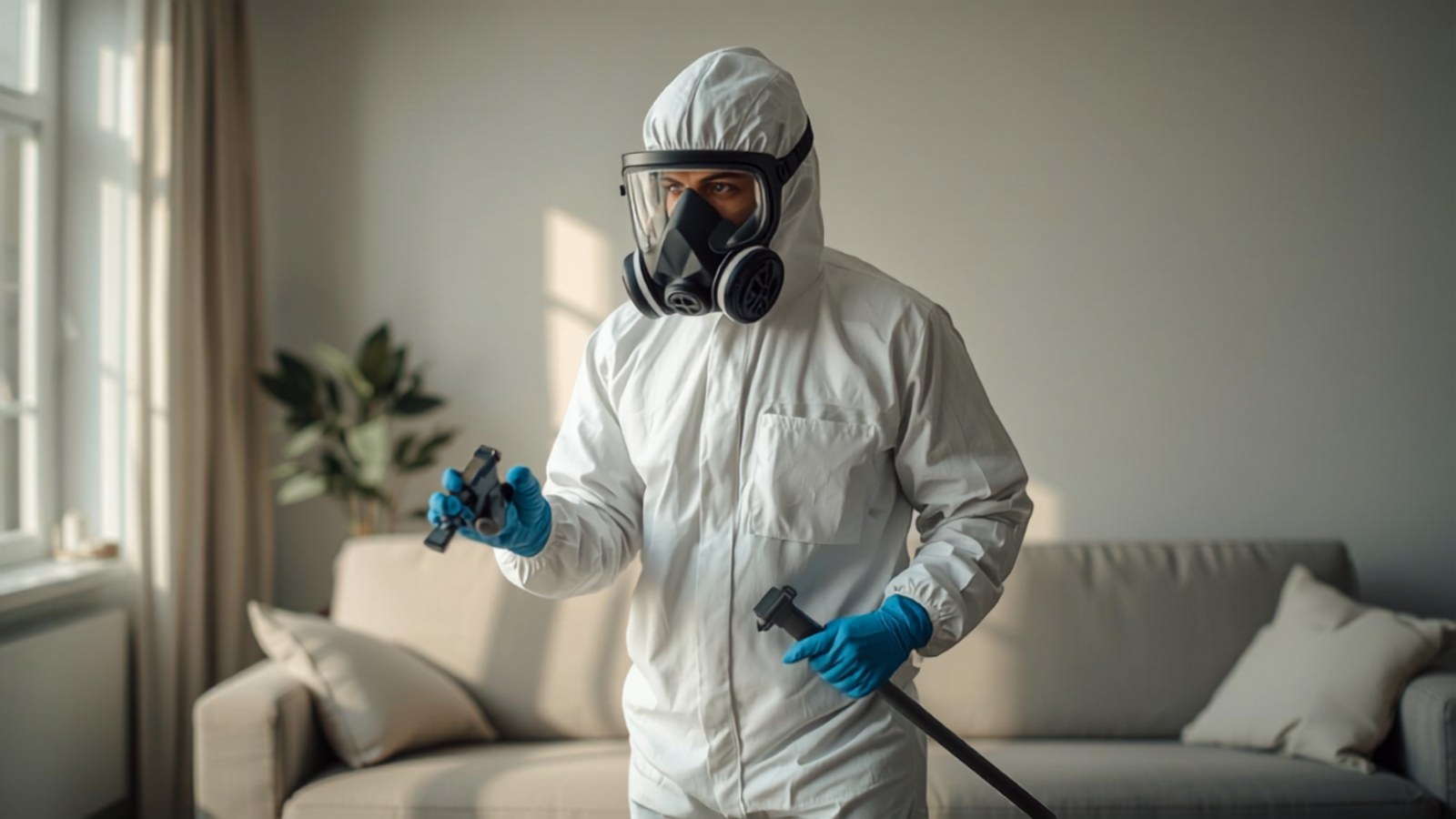
Water Damage Biohazard Cleanup in Cincinnati
When water intrusion goes beyond a simple pipe burst or roof leak, the situation becomes a biohazard. Water damage biohazard cleanup in Cincinnati addresses scenarios where standing water carries biological contaminants—sewage backups from overwhelmed municipal lines, floodwater from the Ohio River or Mill Creek that contains animal waste and chemicals, or gray water from appliance failures that saturates carpets and drywall with bacteria and fungi. Unlike standard water restoration, this work involves pathogens, not just moisture. The Ohio River Valley’s humid climate accelerates microbial growth, and Cincinnati’s aging infrastructure in neighborhoods such as Over-the-Rhine and the West End makes sewage overflows a recurring threat. Left untreated, contaminated water creates a breeding ground for mold, staphylococcus, and fecal coliforms that can cause respiratory illness and infection. Proper cleanup stops these hazards from spreading through ventilation systems or seeping into foundation cracks, protecting both occupants and the building’s structural integrity.
The process for water damage biohazard cleanup follows a strict remediation protocol. First, the affected area is isolated with negative air pressure and plastic sheeting to prevent cross-contamination. Technicians pump out standing water using truck-mounted extraction units, then apply EPA-registered disinfectants to all surfaces—not just for odor but to neutralize viable pathogens. Saturated porous materials such as drywall, insulation, and hardwood flooring are removed and disposed of as biohazard waste, following Ohio EPA regulations. The remaining framework is dried using industrial air movers and desiccant dehumidifiers before a final antimicrobial fogging treatment. A clearance test verifies that airborne mold spore counts and bacterial levels are within safe limits. In Cincinnati properties—whether a hillside home in Price Hill with basement sewage seepage or a commercial building in the Brewery District with flood-damaged retail space—this approach ensures that the structure is returned to a sanitary, habitable condition rather than just a dry one.
Areas We Cover in Cincinnati
We serve properties across Cincinnati, including neighborhoods such as Avondale, Bethlehem, Betts-Longworth Historic District, Bond Hill, Botany Hills, and the Brewery District. Our team responds to water damage biohazard emergencies near local landmarks like 12th Street Pilates, 16-Bit, 1883 Café & Bar, and 19something, as well as surrounding residential and commercial zones. Whether it’s a sewage overflow in a Betts-Longworth row house or floodwater contamination in a Bond Hill warehouse, we bring the same thorough decontamination protocols to every location in the city.
What to Expect
When you call for water damage biohazard cleanup, here is what the process involves:
- A rapid assessment of the water source and contamination category (sewage, flood, or gray water) to determine the hazard level.
- Establishment of containment barriers to isolate the area from the rest of the building.
- Full extraction of standing water using specialized pumps and vacuums rated for biohazard liquids.
- Removal of all affected porous materials (drywall, insulation, carpet, padding) and proper disposal per medical waste guidelines.
- Application of hospital-grade disinfectants and antimicrobial coatings on cleaned surfaces.
- Structural drying with high-velocity air movers and low-grain refrigerant dehumidifiers.
- Final verification testing to confirm pathogen and spore levels are within acceptable limits.
No work is considered complete until the space passes a visual inspection and air quality sampling. The goal is not simply a dry building—it is a sanitized environment safe for reoccupancy.
If you are dealing with water damage that may involve sewage, floodwater, or other biological contaminants, Cincinnati Biohazard Cleanup can help. Contact us to schedule an assessment of your property and begin the remediation process.